
PROJECT GUIDES / 03
What affects the cost and timeline of a 3D project?
How much does 3D rendering cost? A quote depends on how much has to be modelled, which views or animation sequences you need and what files you want delivered. To estimate turnaround, we also consider the source material, review rounds and your target date.
What determines the cost of a 3D visualization or animation?
The cost depends on the work required to create the agreed presentation. The main factors are the content that needs to be built, the detail visible in each scene, the movement involved and the final outputs.
A single exterior scene has different requirements from a presentation that also includes furnished interiors or internal machinery. Close views may need more detail than an overall view. Moving components, complex operating sequences, graphics and narration each add their own production tasks.
The starting material also matters. We assess what can be reused and what needs to be created or adapted. Our planning guide explains how an existing 3D model can affect production cost.
The quotation needs to reflect these tasks and the agreed deliverables, so you can see what the budget covers.
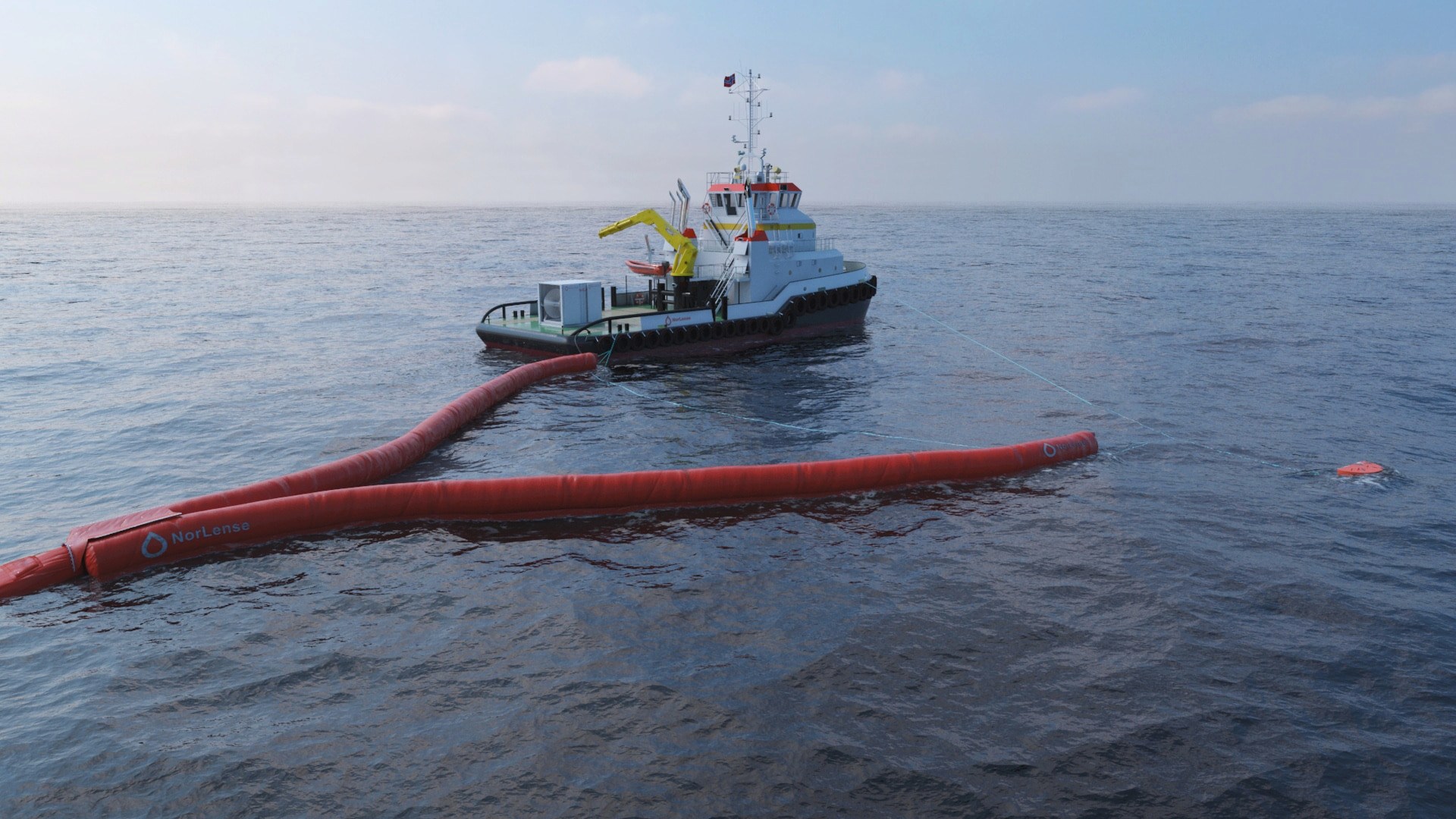
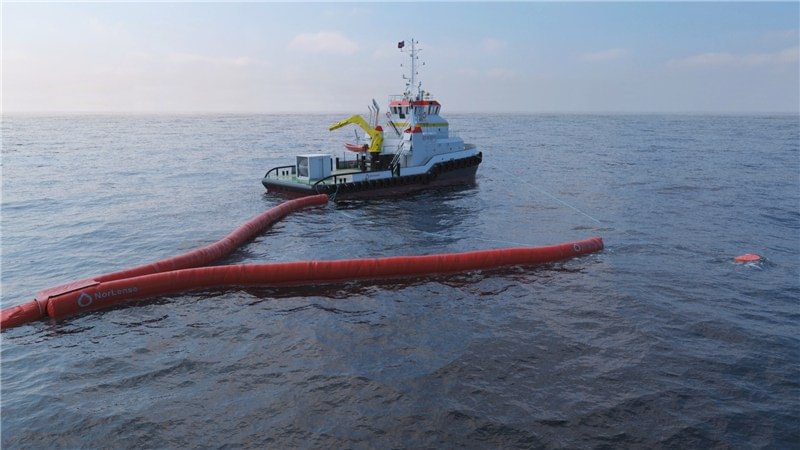
For the NorLense technical animation, DD3D's work included the script, storyboard, 3D modelling, animation, rendering, editing and narration. The project illustrates the range of tasks behind a finished film and why its running time alone does not describe the production work.
Is animation priced by the second or minute?
Running time alone does not provide enough information for a meaningful quotation. We assess what happens during that time and what must be prepared to show it.
Consider two hypothetical 45-second animations. One presents a product from several angles against a simple background. The other opens its housing, reveals internal components, shows several operating stages and then places the product in a larger installation.
Both have the same running time, but the second may need substantially more modelling, animation and technical preparation. Some of that work would still be necessary if the film were shortened.
Duration affects rendering and finishing, but the content and complexity of the scenes are also essential to the estimate.
Can the scope be adjusted to fit our budget?
Often, yes. Start by identifying what the audience must understand and which views or sequences are essential to that message. This gives us a basis for discussing a more focused version of the project.
For example, a presentation might concentrate on selected spaces instead of a continuous tour through an entire building or vessel. A technical film might focus on one operating sequence, with other features covered in still images or a later phase.
The useful saving comes from reducing the work that needs to be produced. Simply removing a few seconds from a scene may make little difference if its models, environment and movement still need to be created.
If you have a budget range, share it early. It helps us discuss suitable options and identify additions that could be considered separately.
How long will production take, and can you meet our deadline?
The schedule depends on the agreed scope, the readiness of the source material, production capacity and the time needed for reviews. A delivery date needs to be checked against those factors for your project.
Tell us when you need the finished files and what that date relates to. An exhibition screen may need testing before the event opens. A presentation may need internal approval before it reaches the final audience. Those steps should be allowed for when planning delivery.
Your team's review time also matters. If several people need to approve the design or technical content, include that in the schedule. Missing information or delayed decisions can affect the work that follows.
If the date is fixed, make that clear at the beginning so we can assess what is achievable within it.
How many revisions are included?
The number and scope of review rounds should be defined in the proposal for your project. They need to give your team clear opportunities to review the work at agreed stages.
It is useful to distinguish corrections needed to meet the agreed brief from requests that change it. Adding another room, replacing an approved design or requesting an additional film version can involve work beyond the original scope.
The proposal should make clear how those requests will be handled. For practical guidance on reviewing the work, see what to check and how to give feedback.
What happens if the design changes during production?
Tell us what has changed and which parts of the presentation are affected. The impact depends on both the change itself and how far production has progressed.
An update made during early modelling may be relatively straightforward. The same update after final rendering can require changes to the model, materials, movement, rendered frames and editing. A small design change can therefore affect several completed tasks.
The additional work and any effect on the delivery date should be assessed and agreed before proceeding with the affected production. If you already expect design updates, identify those areas when the project is being scoped.
For preparing revised files, see how to organise files and design revisions.
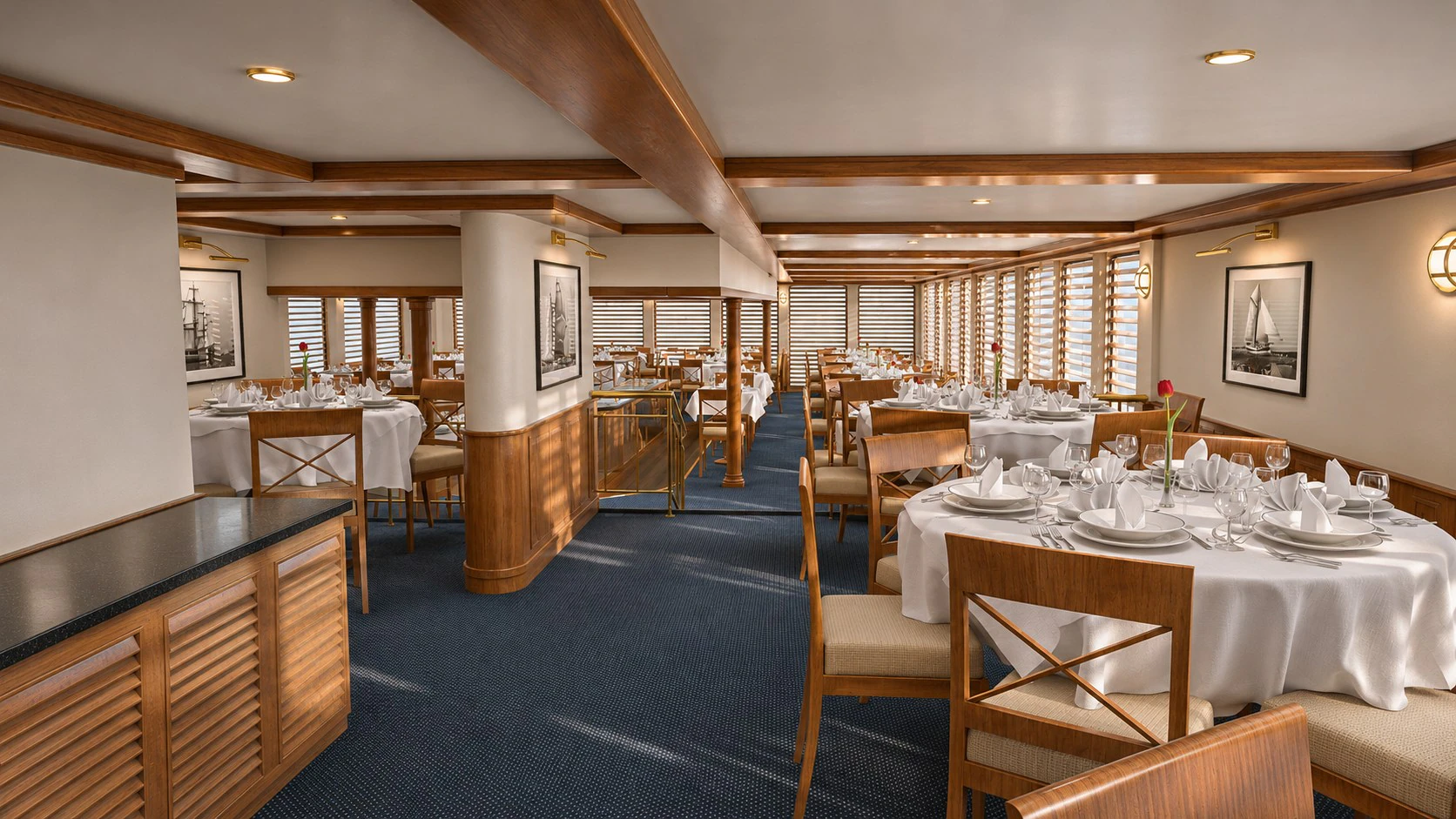
The GCCL Adagio interior visualizations developed through several design iterations, with test renderings and visual adjustments used to review the proposals before the final images were produced. This is an example of visualization supporting a developing design.
What should the final delivery include?
The proposal should identify the images, film versions or other outputs you will receive, together with their sizes and formats. It should also specify any agreed narration, music, graphics, captions and language versions.
Tell us where the material will be used. A website, a large exhibition screen and a printed brochure may need different output settings. A portrait version of a film may also need different framing and text placement from the main landscape version.
For animation projects, we include a reasonable number of still images within the agreed animation scope. Their selection and sizes can be agreed with the other deliverables. See which still images are included and when additional work may apply.
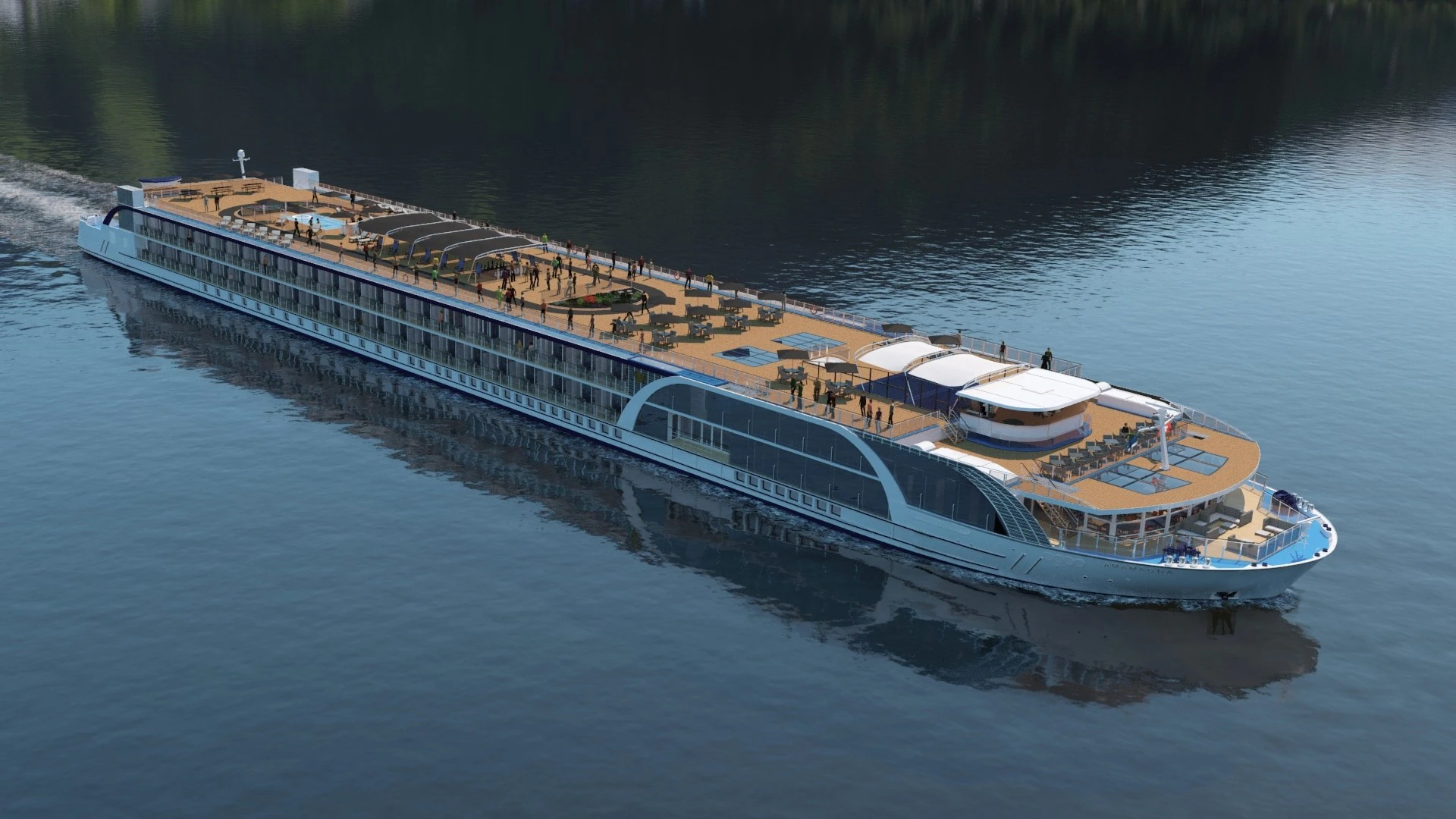
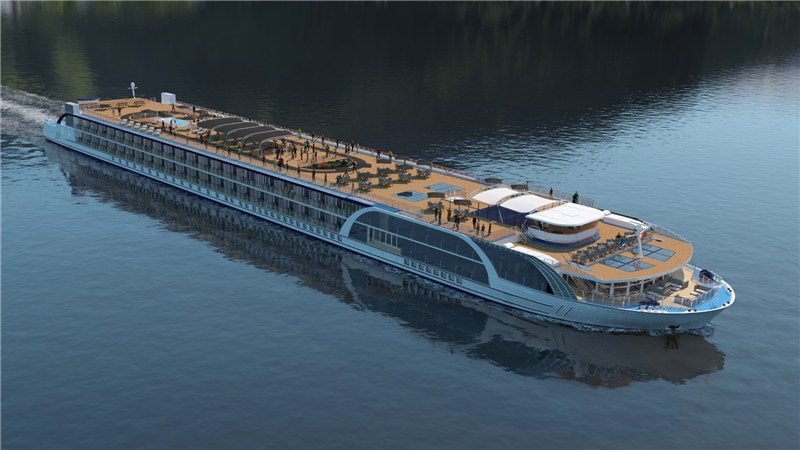
The AmaMagna project combined a promotional animation with a package of still images for AmaWaterways. It provides a concrete example of a project delivering both a film and images for promotional communications.
Will we receive editable 3D scenes and source files?
Editable files need a separate agreement from the finished images or video. If you need them, raise this when preparing the brief so the requirement can be considered from the start.
The agreement should identify which assets can be transferred, the intended use and any third-party licensing restrictions. Preparing a working scene for someone else to use may also require additional organisation and documentation.
Explain what you want to do with the files, such as updating the design internally or handing the assets to another production team. That helps define what a useful handover would involve.
Can the project be updated or reused later?
Parts of an existing production may be useful for a later campaign, a new version of a product or an additional presentation. The amount that can be reused depends on what changes and what the new output needs to show.
A new edit using existing footage is a different task from updating the geometry, creating another interior or animating a new operating sequence. Reuse can reduce preparation, but the new work still needs to be assessed.
If future updates are likely, discuss them at the beginning. Agree how the relevant assets will be retained, the applicable usage rights and what would be needed for a later version.
Prepare for a quotation.
Alongside your project description, identify:
- The outputs you need and where they will be used.
- The required delivery date and whether it is fixed.
- Your budget range, if one has been set.
- Any expected design changes, additional versions or source-file requirements.
You do not need to know every production detail. If something is undecided, include that in the enquiry so it can be discussed. For the broader project description, use the short brief template in our planning guide.
More project guides.
All guides
Have a project in mind?
Tell us what you’re working on. We’re happy to talk through the options, even if you’re just exploring.
Let’s talk